AI in the Classroom: Real Promise or the Same Old Mistake?
15 June 2026
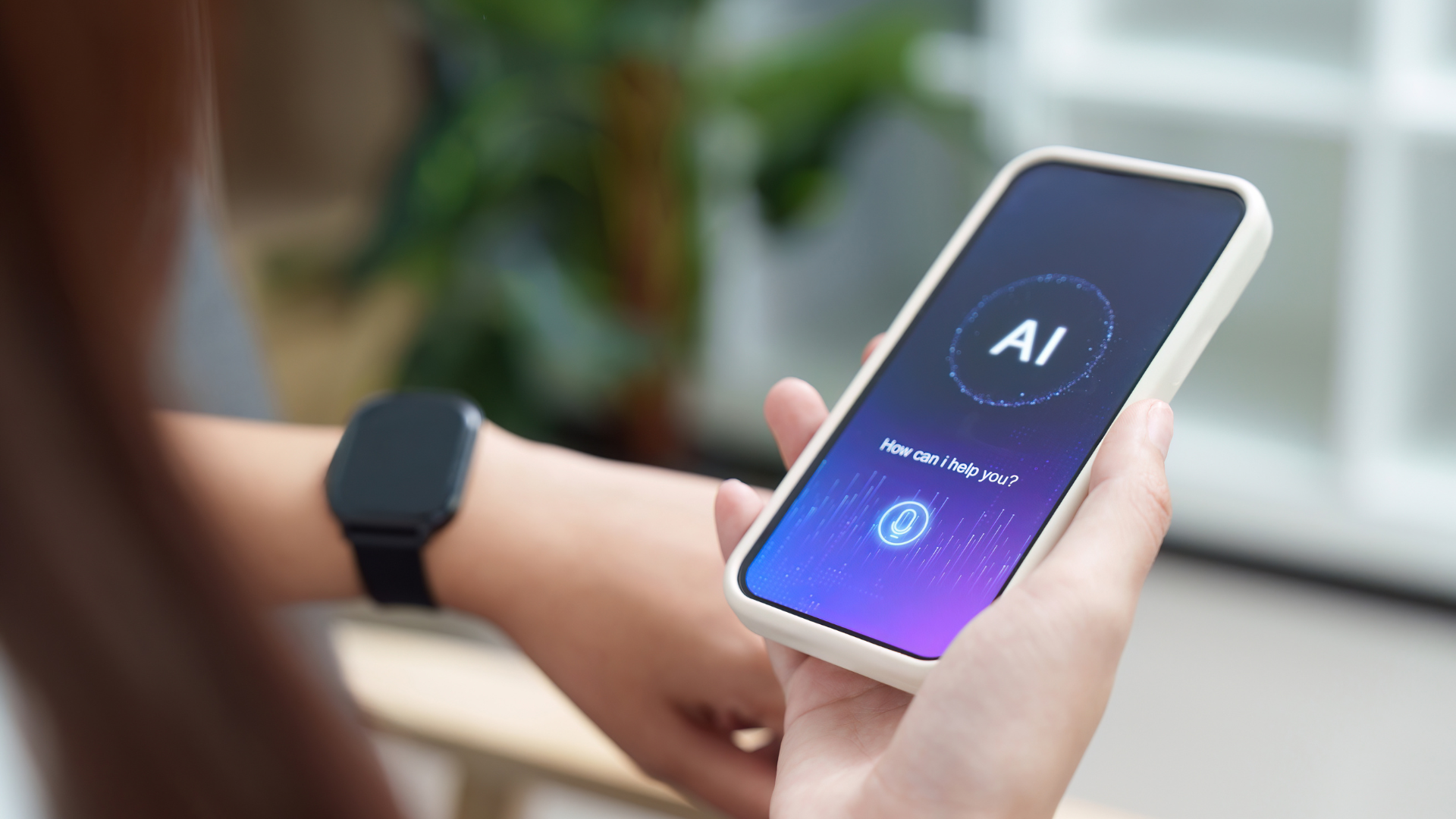
Illustrative image.
Governments around the world are rushing to bring AI chatbots into schools. But experts are sounding the alarm: without careful planning, we may be repeating a mistake we've made before.
Over the past few months, a string of announcements has caught the attention of anyone closely following education. Microsoft struck a deal to bring AI to 200,000 students in the United Arab Emirates. Kazakhstan signed an agreement with OpenAI covering 165,000 educators. And Elon Musk, through xAI, announced a tutoring system powered by the Grok chatbot for more than a million students in El Salvador.
In every case, the pitch is the same: AI saves teachers time, personalizes learning, and prepares young people for the job market. But something about that argument sounds familiar.
We've Seen This Before
In the early 2000s, the world placed a big bet on the One Laptop per Child program, the idea that putting computers in the hands of children in developing countries would transform education. Studies conducted across hundreds of schools in Peru found that the program improved neither cognitive skills nor academic outcomes. UNICEF was blunt in drawing the parallel to today, warning that "the unguided use of AI systems can actively deskill both students and teachers."
On top of that, recent research from Microsoft and Carnegie Mellon University concluded that popular chatbots may weaken critical thinking, which should give even the most enthusiastic advocates pause. Add to that the well-documented problems of AI-generated misinformation and the rise of AI-assisted academic dishonesty, and the picture gets murkier still.
Some Countries Are Doing It Differently
Not everyone is sprinting ahead without looking back. Estonia and Iceland offer an interesting counterpoint. When Estonia discovered that more than 90% of its high school students were already using chatbots to complete assignments, the country chose neither to ban the tools nor to roll them out indiscriminately. Instead, it launched the AI Leap program, focused on critical AI literacy, and modified ChatGPT so that, rather than providing direct answers, it responds to questions with more questions to keep students thinking for themselves.
Iceland, meanwhile, is running a national pilot in which, for now, only teachers have access to chatbots, allowing the country to weigh the benefits and risks before opening the door to students. One of the teachers involved put the challenge plainly: "They're blindly trusting AI. We need to teach them to learn with it."
What This Means for Anyone in a Classroom Right Now
There is still no solid research on the long-term effects of chatbots on children and teenagers — adoption has simply moved faster than the science. Drew Bent, Anthropic's representative for education, acknowledged that AI tools being used in schools need to be evaluated against concrete learning outcomes, and that there is still much to learn about what actually works.
For teachers, that means critical judgment remains irreplaceable, including when assessing what AI produces. For students, it means the most valuable skill may not be knowing how to use a chatbot, but knowing when not to trust one.
—
Read the original article in the New York Times for the full story.
See Also

Copyright © 2025 | Universo Inspira