
Superpopulation and Sustainability: Are We Prepared for the Future?
15 May 2025
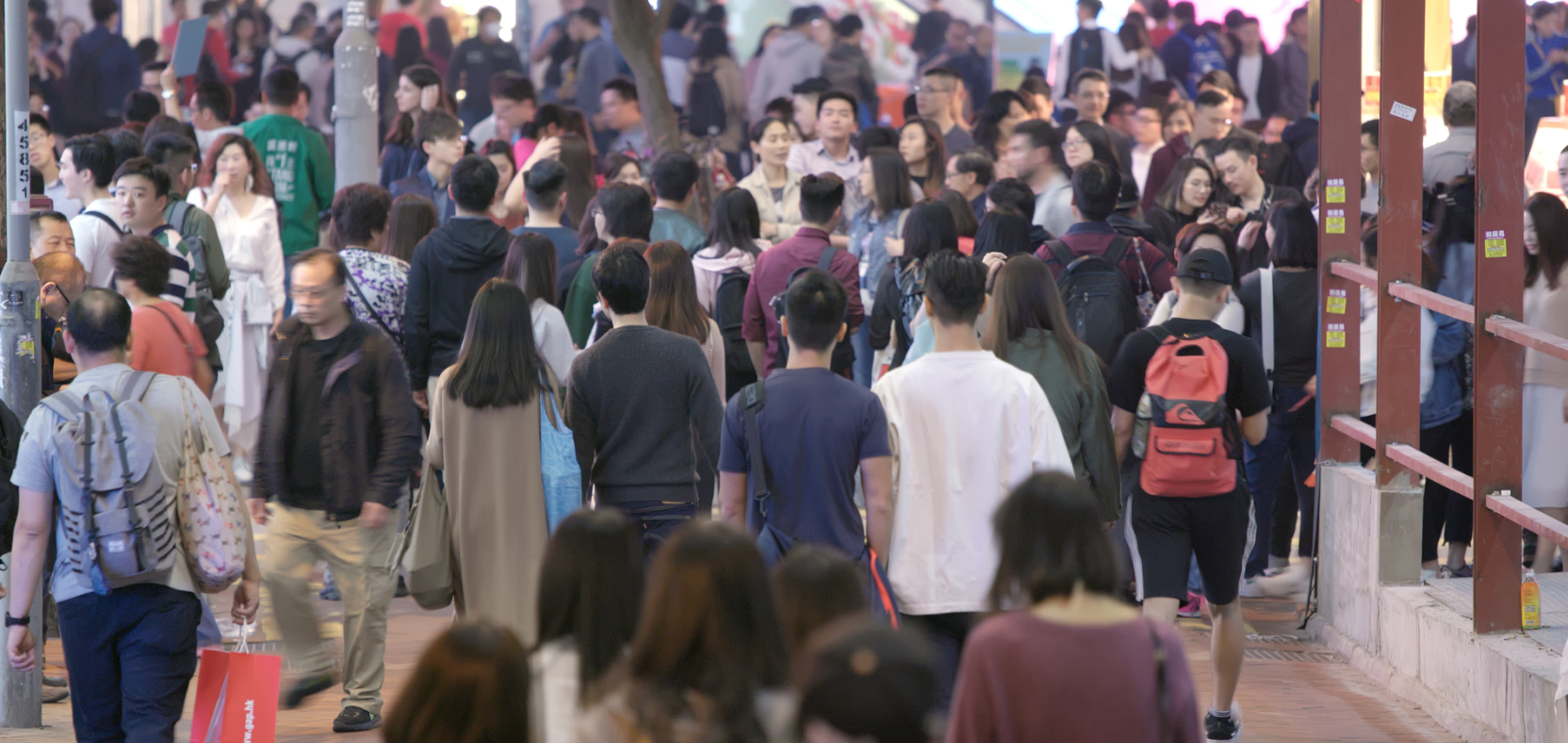
The increase in global population brings environmental and economic challenges. See how it affects natural resources and urban infrastructure.
Population growth is at the center of debates on sustainable development. With projections that the world’s population will exceed 9 billion by 2050, challenges related to food security, scarcity of natural resources, unplanned urbanization, and climate change are increasing. How can we ensure a high quality of life for everyone without compromising environmental balance?
This article analyzes the impacts of population growth and proposes strategies for a sustainable future by reconciling economic progress, environmental preservation, and social well-being.
Population Growth in the 21st Century
Since 1800, the global population has surged from 1 billion to over 8 billion in 2023, driven by advances in medicine, agriculture, and technology. Although this growth has expanded the workforce and spurred innovation, it has also brought infrastructure, housing, and public services challenges.
Factors Driving Population Growth
-
A reduction in infant mortality due to medical and sanitation advances.
-
Increased life expectancy as a result of improved nutrition and health care.
-
High birth rates in developing countries where access to contraceptives remains limited.
Challenges of Population Growth
The rising population intensifies resource consumption and amplifies environmental and social impacts.
Scarcity of Natural Resources
The growing demand for potable water puts pressure on natural sources and water supply systems, a problem exacerbated by climate change.
Expanding food production to meet increasing population needs may lead to deforestation and the excessive use of chemical fertilizers, compromising soil quality and biodiversity.
Intensive mineral and fossil fuel extraction to meet energy and consumer goods demand accelerates environmental degradation, contributes to the depletion of natural resources, and increases pollution.
Rapid Urbanization and Overloaded Infrastructure
Unplanned urban growth results in slums, overburdened public services, and housing shortages. Many families struggle to access adequate housing, intensifying irregular land occupation.
Urban infrastructure—especially transportation and energy supply—fails to keep pace with population growth, leading to congestion, increased pollution, and power supply difficulties.
Climate Change and Environmental Impacts
Population growth elevates greenhouse gas emissions, intensifying global warming. Burning fossil fuels for transportation and industry makes extreme events, such as droughts and storms, more frequent.
The expansion of livestock and crop production to meet food demand accelerates deforestation and biodiversity loss. Converting forests into cultivated areas reduces ecosystems’ ability to absorb carbon, worsening the environmental imbalance.
Improper waste disposal negatively affects soil, water, and air quality, exacerbated by inefficient recycling systems.
Food Security and Sustainable Production
An increasing population pressures agriculture and supply chains. To meet demand, intensive farming practices compromise soil fertility and biodiversity.
Excessive pesticide use and monocultures reduce crop diversity, making plantations more vulnerable to pests and climate change.
Inequalities in food distribution exacerbate food insecurity. While some regions face scarcity and hunger, others record high levels of waste, highlighting failures in resource management.
Pressure on Health and Education
Population growth demands more hospitals, clinics, and health professionals. Overcrowding can compromise the quality of care, especially in developing countries.
In education, rising student numbers can overload schools and hinder learning, further aggravated by insufficient infrastructure.
High population density favors the spread of diseases and the emergence of pandemics. Urban areas with inadequate infrastructure facilitate the transmission of viruses and bacteria, compounding public health challenges.
Paths Toward Sustainable Growth
Despite these challenges, measures can be adopted to reconcile development and sustainability, ensuring quality of life for future generations.
Education and Family Planning
Investing in education—especially for women—reduces birth rates and enables more conscious choices regarding family size and the resources needed to ensure well-being.
Access to contraceptives and family planning policies contributes to balanced population growth, reducing pressure on public services and natural resources.
Efficient Use of Natural Resources
The reuse technologies and desalination minimize the impacts of water scarcity, ensuring a more efficient water supply.
In agriculture, practices such as agroecology and crop rotation preserve soil fertility, reduce dependency on pesticides, and minimize environmental degradation.
Transitioning to renewable energy sources, such as solar and wind, reduces carbon emissions and makes the electricity supply more sustainable and resilient.
Sustainable Cities and Efficient Infrastructure
Urban planning should prioritize a balanced distribution of housing, green areas, and public services. Efficient infrastructure improves mobility, reduces environmental impacts, and raises quality of life.
Solutions such as integrated public transportation, waste recycling, and energy efficiency make cities more sustainable and less dependent on nonrenewable resources.
Reducing Waste and Embracing a Circular Economy
Reusing materials and recycling reduce the need to extract new resources.
A circular economy proposes a model of sustainable production and consumption where waste is reintroduced into the production chain, reducing environmental impact and waste.
Public Policies and International Cooperation
Population growth requires collaboration among countries. No nation can address climate change, food security, and natural resource management alone.
Governments should implement policies that encourage sustainable practices and guarantee equitable access to basic resources. International agreements, investments in innovation, and knowledge exchange are fundamental to promoting sustainable and inclusive development.
Final Thoughts
Population growth poses challenges but also offers opportunities for innovation and sustainable development. The future depends on our ability to balance economic expansion, environmental preservation, and social inclusion.
Investing in education, urban planning, and efficient resource use is essential to ensuring a quality life for future generations without compromising the planet. Sustainable development is not just an ideal—it is an urgent necessity.
—
References
NAIM, M. Tres tendencias subterráneas. El País, 22, 2024. Available at: https://elpais.com/opinion/2024-12-22/tres-tendencias-subterraneas.html. Accessed on: May 12, 2025.
POPULATION MATTERS. Overpopulation causes consequences and solutions. 2024, ago. [S.d.]. Available at: https://populationmatters.org/news/2024/08/overpopulation-causes-consequences-and-solutions/. Accessed on: May 12, 2025.
UNITED NATIONS. Global issues: population. [S.d.]. Available at: https://www.un.org/en/global-issues/population. Accessed on: May 12, 2025.
VISION OF HUMANITY. Ten Billion People by 2050 poses major challenge for peace. [S.d.]. Available at: https://www.visionofhumanity.org/ten-billion-people-by-2050-poses-major-challenge-for-peace/. Accessed on: May 12, 2025.
See also

Copyright © 2025 | Universo Inspira