
Guided Learning
Renewable and Non-Renewable Energy Sources
Area: Social Studies
Theme: Energy and Sustainability
Grade: 8th grade
Estimated time: ⏱️ 2 classes
🔍 Investigation · 🧠 Critical Thinking
Letter to the User
Guided Learning – Inspire Universe
Welcome to Inspire Universe's Guided Learning.
The Guided Learning tracks were created to help you organize your studies, deepen your understanding of the content, and turn scientific concepts into hands-on learning experiences.
Each track brings together structured activities, experiments, challenges, reflections, and investigative tasks that can be used in two ways:
- By the teacher, as a support tool for planning and delivering classroom activities.
- By the student, as a step-by-step study guide for learning inside and outside of school.
Here, learning goes beyond watching or reading: you are invited to observe, test, measure, compare, calculate, reflect, and connect ideas — developing essential scientific skills such as critical thinking, curiosity, and intellectual independence.
The activities were organized into thematic tracks, written in clear, accessible language, and designed to accompany you at every stage of your learning path, from your first contact with the topic to mastering the content.
At the end of each track, we invite you to keep exploring:
- Completing the quizzes available in the app.
- Revisiting the digital content.
- Deepening your understanding of the Universe and the scientific phenomena that surround us.
About the Use of This Material
This material is made available exclusively for educational use within the Inspire Universe platform.
Reproduction, distribution, commercialization, or sharing of this content, in whole or in part, by any means, without express authorization, is prohibited.
The responsible use of this material ensures that the educational, editorial, and scientific work involved in its creation is properly valued and allows us to continue developing new tracks, content, and learning experiences for you.
Evobooks Team
What will you learn?
You will investigate how energy is produced worldwide, compare renewable and non-renewable sources, analyze their environmental impacts, and develop a critical perspective on the role of fossil fuels today.
Why does this matter?
Throughout history, the use of sources such as coal and oil drove economic development, but also brought serious environmental consequences, such as pollution and global warming. With that in mind, thinking about more sustainable ways to produce and consume energy has become essential to ensure quality of life in the present without compromising the future.
Step 1 — Exploring
Is It Still Reasonable to Depend on Fossil Fuels?

Have you ever heard of fossil energy? The term may not be common in everyday life, but you certainly know what gasoline is, right? This fuel, used in cars and motorcycles, is produced from oil, one of the main energy sources in the world today.
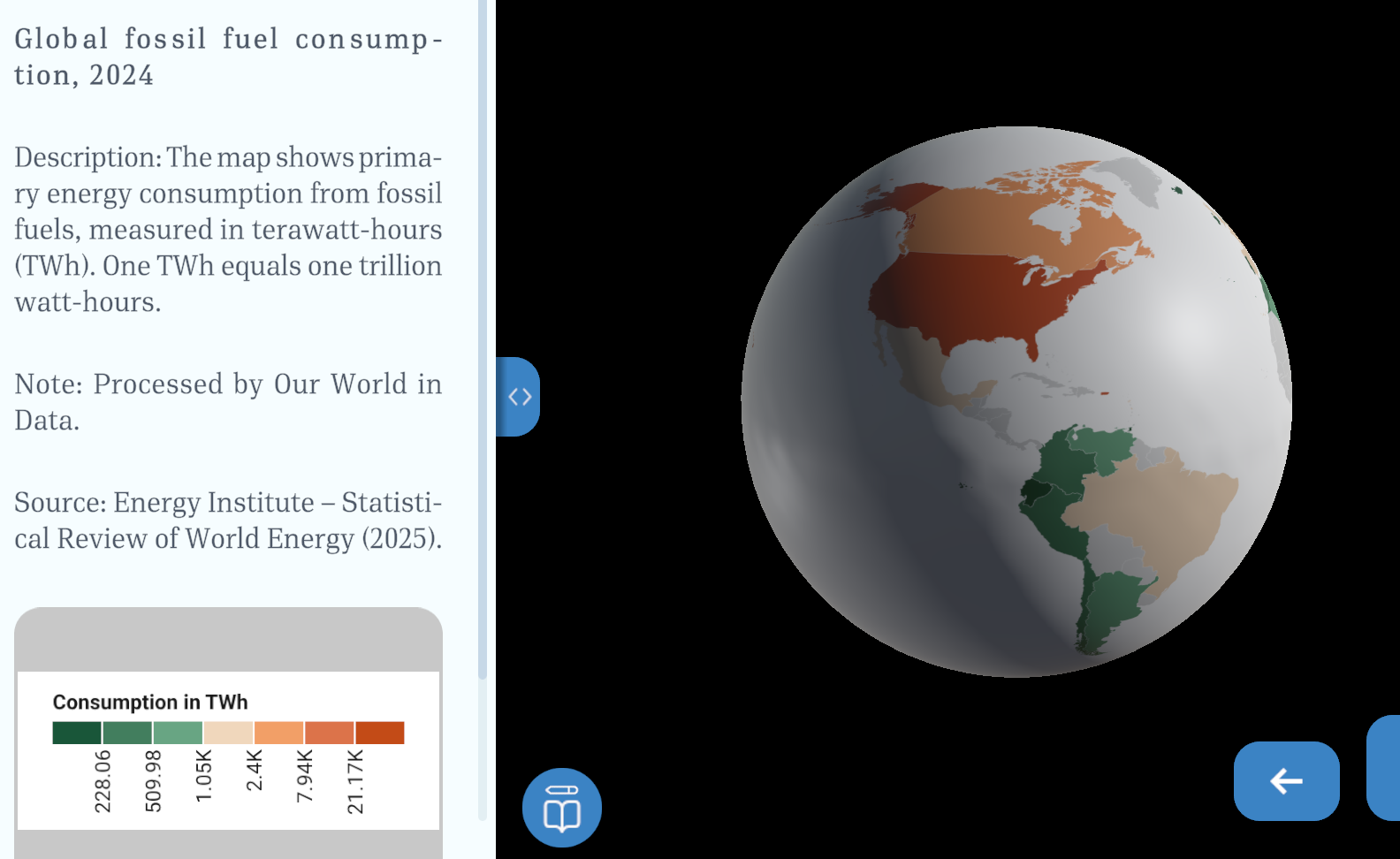
Map 1 – Global fossil fuel consumption, 2024
Think about this:
- Why are fossil fuels still so widely used?
- What might happen if we remain dependent on these sources?
💡 Teacher's tip:
Encourage responses based on students' everyday experiences and record their hypotheses for later reference.
Step 2 — Investigating
Brazil and the Real Data on the Energy Transition
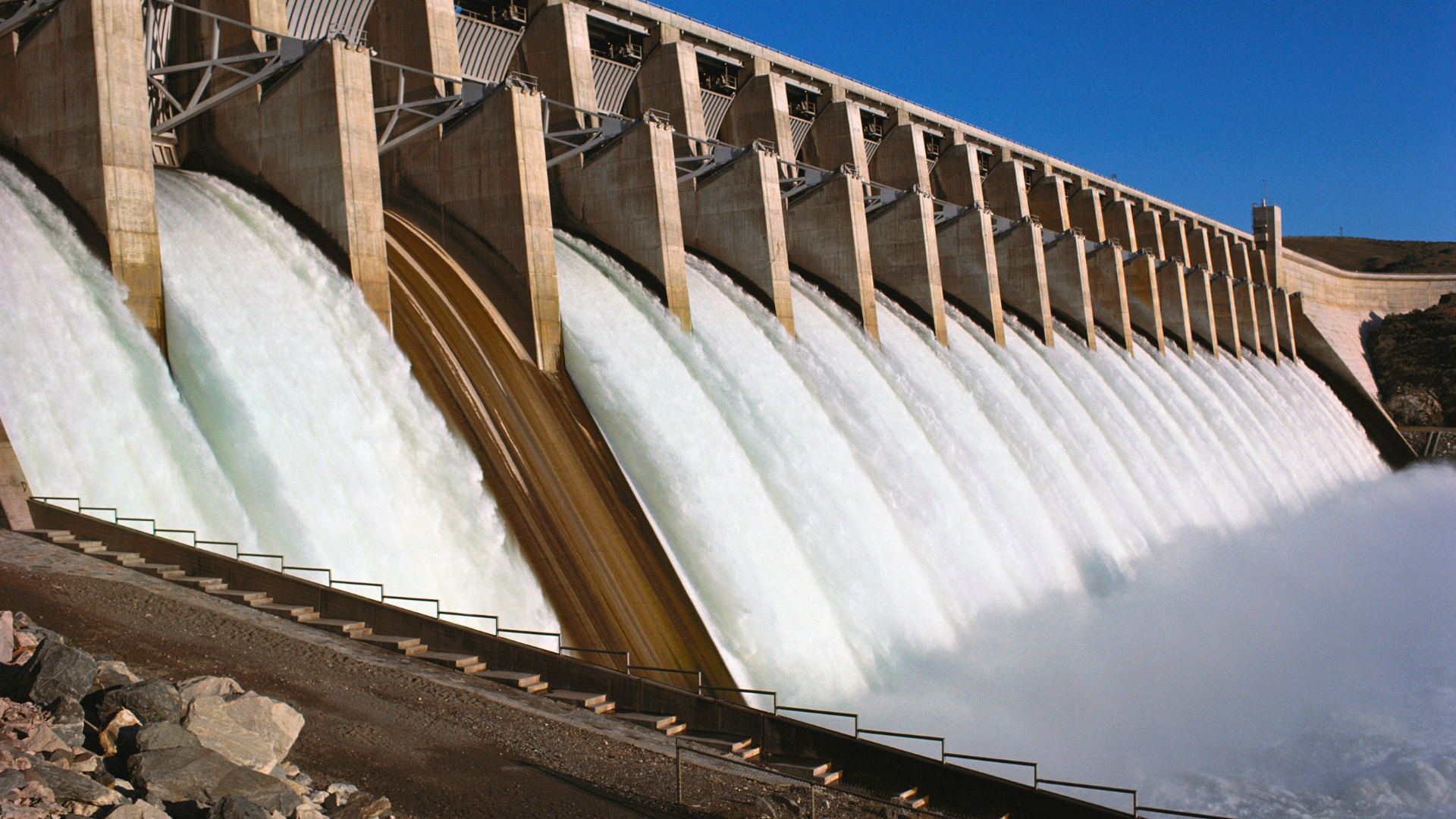
- Renewable sources are those that renew naturally in the short term; in other words, they are not depleted by human use. Examples: solar, wind, hydroelectric, and biomass energy.
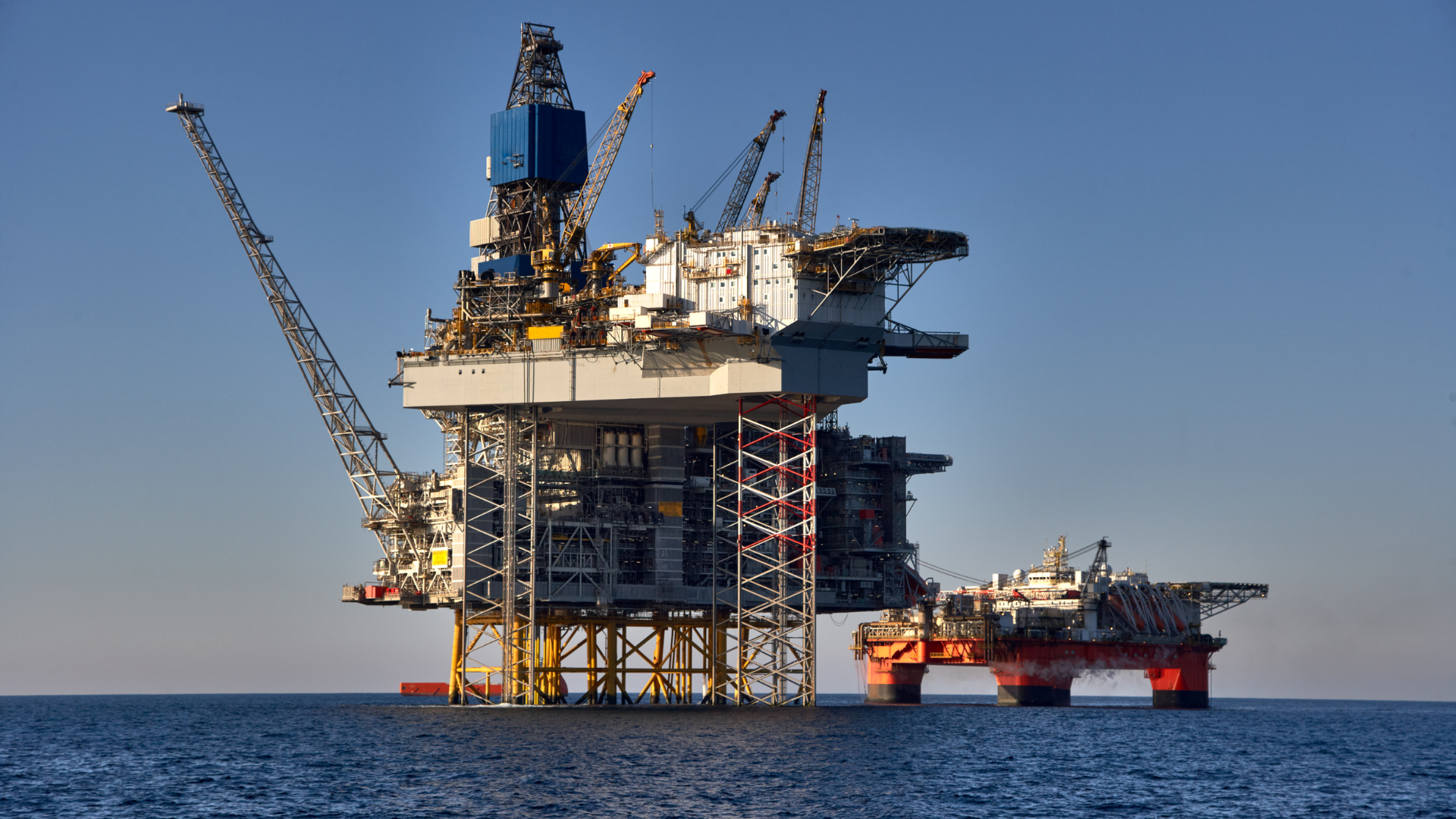
- Non-renewable sources are those that exist in limited quantities and take millions of years to form, meaning they cannot be replenished within a human lifetime. Examples: oil, coal, and natural gas.
Did you know?
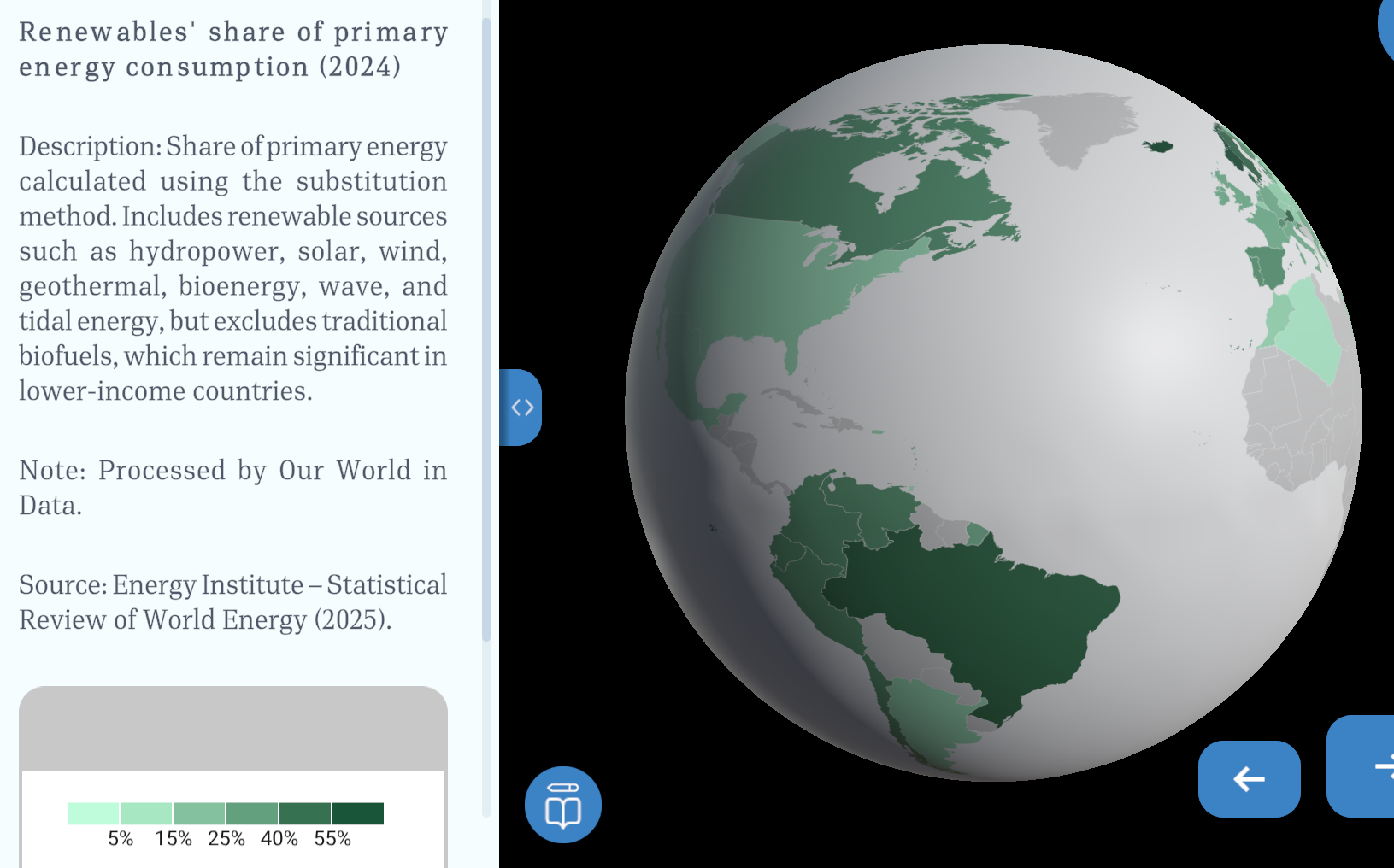
In Brazil, renewable energy already accounts for 49.1% of the energy matrix, one of the highest percentages in the world among large countries. Hydroelectric power is responsible for approximately 65% of national electricity generation, with growing contributions from solar and wind energy, especially in the Northeast region.
Map 2 – Renewable’s share of primary energy consumption, 2024
Map 3 – Nuclear energy’s share of global primary energy consumption, 2024
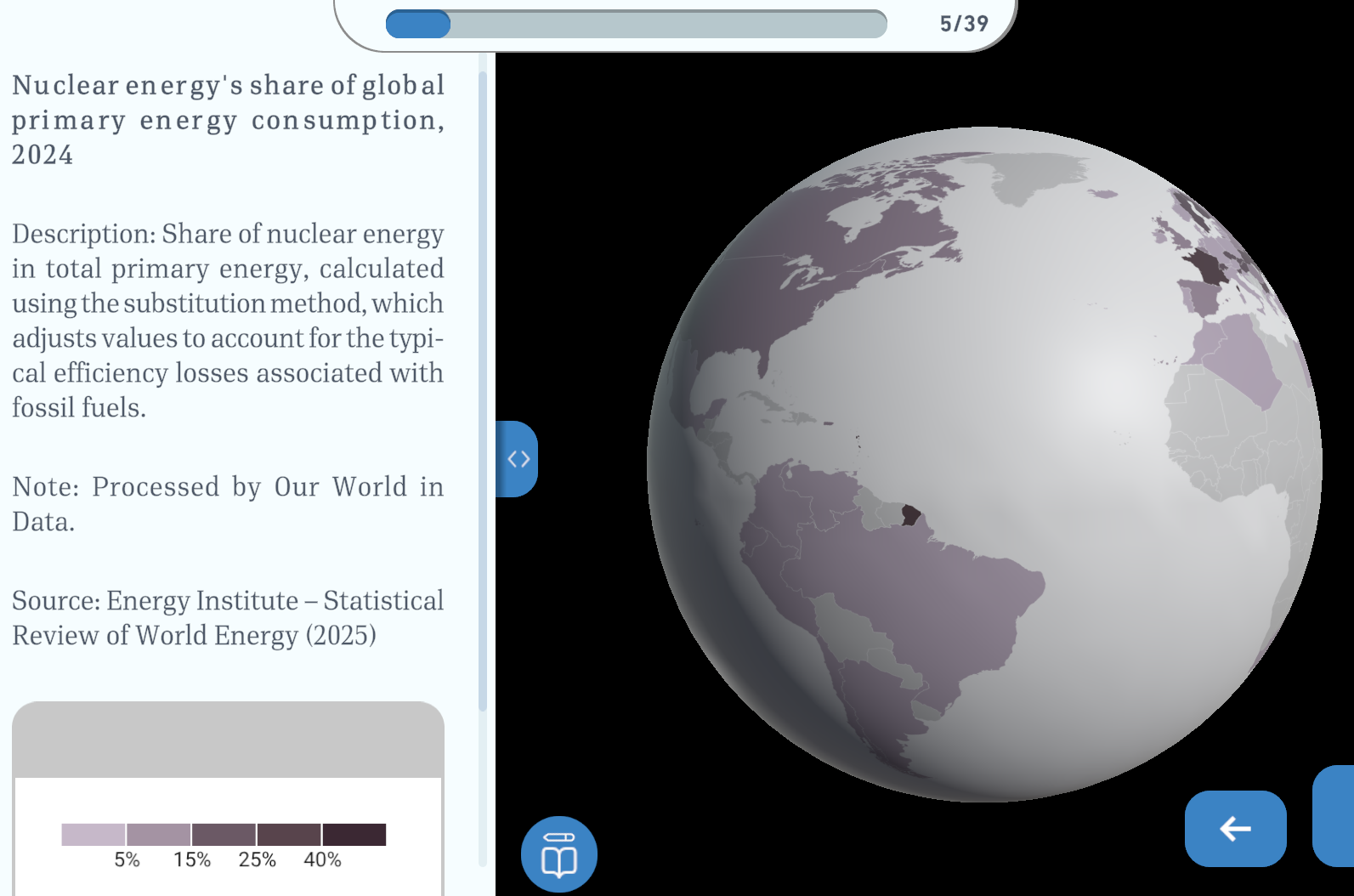
Now analyze the following maps and reflect:
- Why does Brazil rely so heavily on hydroelectric power? What is special about the Brazilian territory that makes this possible?
- Which regions of Brazil are most favorable for solar energy? And for wind energy?
- Nuclear energy accounts for approximately 3% of Brazil's electricity generation (Angra 1 and Angra 2). Do you consider that a lot or a little? Why?
💡 Teacher's tip:
Explore the maps by highlighting the contrast between high- and low-income countries. Ask students what this contrast reveals about economic development and access to energy.
Step 3 — Building Ideas
Understanding Energy Sources
It is time to organize your knowledge. With the definitions and Brazil's data in mind, complete the table below with what you already know and what you observed in the app. If needed, consult other sources.
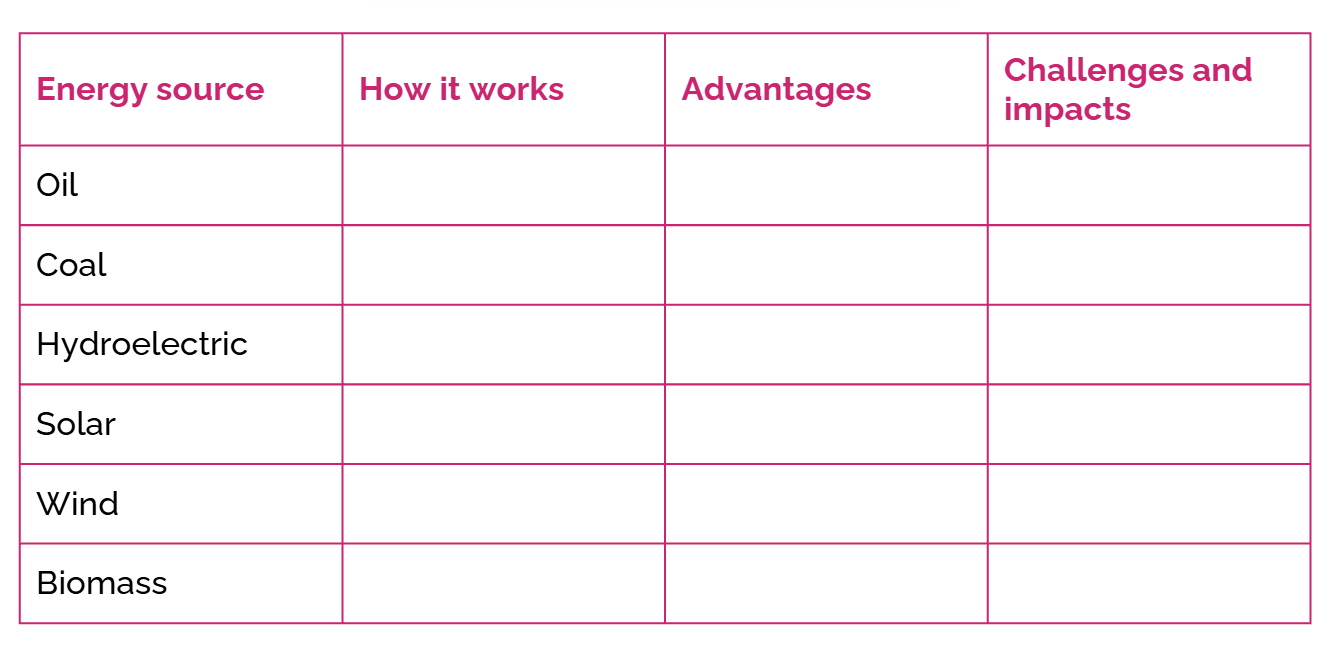
💡 Teacher's tip:
Use this moment to discuss what makes a reliable scientific source and how to tell real data apart from misinformation about energy and the environment. Encourage students to cite the sources they used.
Step 4 — Tackling Challenges
Hurdles and Opportunities of the Energy Transition
The energy transition is the gradual shift from non-renewable sources to renewable and low-carbon sources. It is urgent because fossil fuels account for approximately three-quarters of global greenhouse gas (GHG) emissions, the leading cause of climate change.
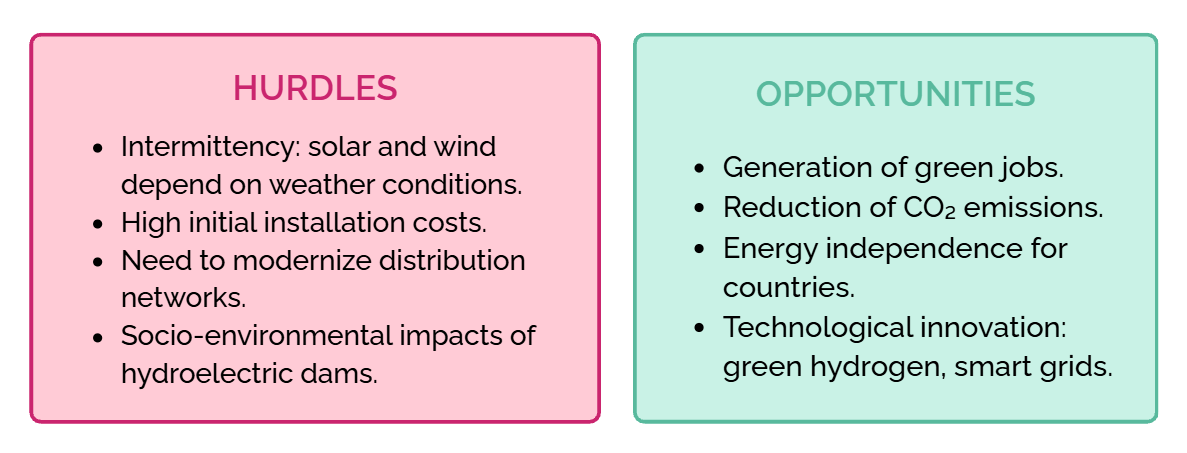
Analyze each challenge and answer:
- Which of these challenges do you consider the most difficult to overcome? Why?
- Are any of the opportunities already happening in Brazil? Give an example.
- How do international climate agreements relate to the global energy transition?
💡 Teacher's tip:
Encourage students to connect hurdles to opportunities — for example, intermittency in solar energy is a hurdle, but what does it drive in terms of innovation? Stimulating this kind of critical thinking is central to developing scientific literacy.
Step 5 — Comparing and Reflecting
Leveling Up
Activity
In groups, choose two renewable energy sources and produce a comparative text. The text should:
- Describe how each source works.
- Present the advantages and disadvantages of each.
- Reflect on which one would be most suitable for your region.
- Connect the choice to its environmental and social impacts.
💡 Teacher's tip:
During the sharing of texts, ask each group to present their strongest argument in favor of each chosen source. Then open the floor for debate: "Is there such a thing as a perfect energy source?" Value different perspectives and encourage active listening among groups.
Throughout this Guided Learning experience, you:
- Explored how humanity's relationship with energy has changed throughout history.
- Investigated the differences between renewable and non-renewable sources and compared their characteristics.
- Analyzed real data on the global energy transition and Brazil's role in it.
- Understood the challenges and opportunities of this transition,
- Reflected on energy choices and their consequences for the planet.
Behind every energy decision lie scientific, geographic, and political forces. Understanding them is the first step toward being part of the change.
👉 Want to keep learning?
Access the app and deepen your knowledge of energy and sustainability on Inspire Universe.
This material is protected by copyright. Reproduction, distribution, or sharing, in whole or in part, without authorization from Inspire Universe, is prohibited under Brazilian Copyright Law (Law No. 9,610/1998).

Copyright © 2025 | Universo Inspira